


The Inverter
Sungrow is a grid-connected solar inverter manufacturer with a strong presence in Australia and one of the world's largest inverter makers by shipments. The company runs a support office in Sydney, so parts, warranty claims and technical backup don't have to go through an overseas call centre.
why Sungrow Inverter
Sungrow's residential inverters are widely installed across Australian homes, and current models carry CEC approval and feature a transformerless design that keeps them efficient and lighter. With years of field experience nationwide, Sungrow has built an established track record. This is why Sine Wave Solar uses Sungrow inverters in our installations across Newcastle.
Technology
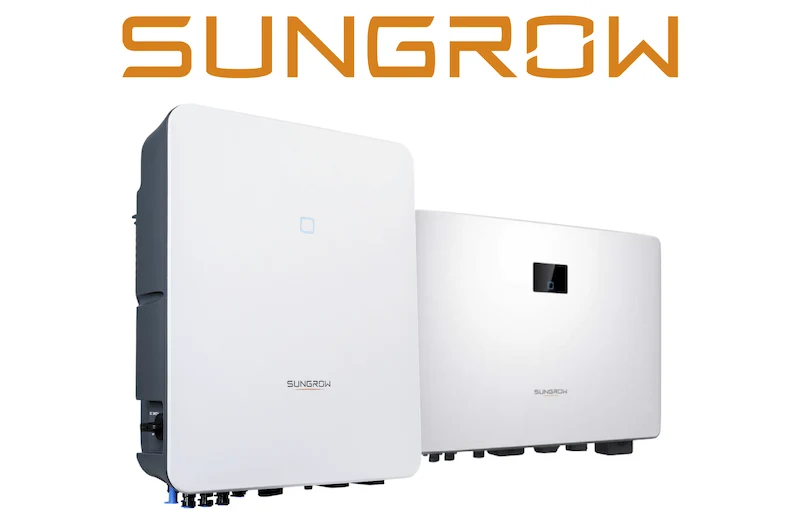
Sungrow builds two residential families: the SG string series and the SH hybrid series, and the difference decides what your system can do. An SG inverter cannot take a battery later, no matter how new it is, so pick SH if a battery sits anywhere in your plans.
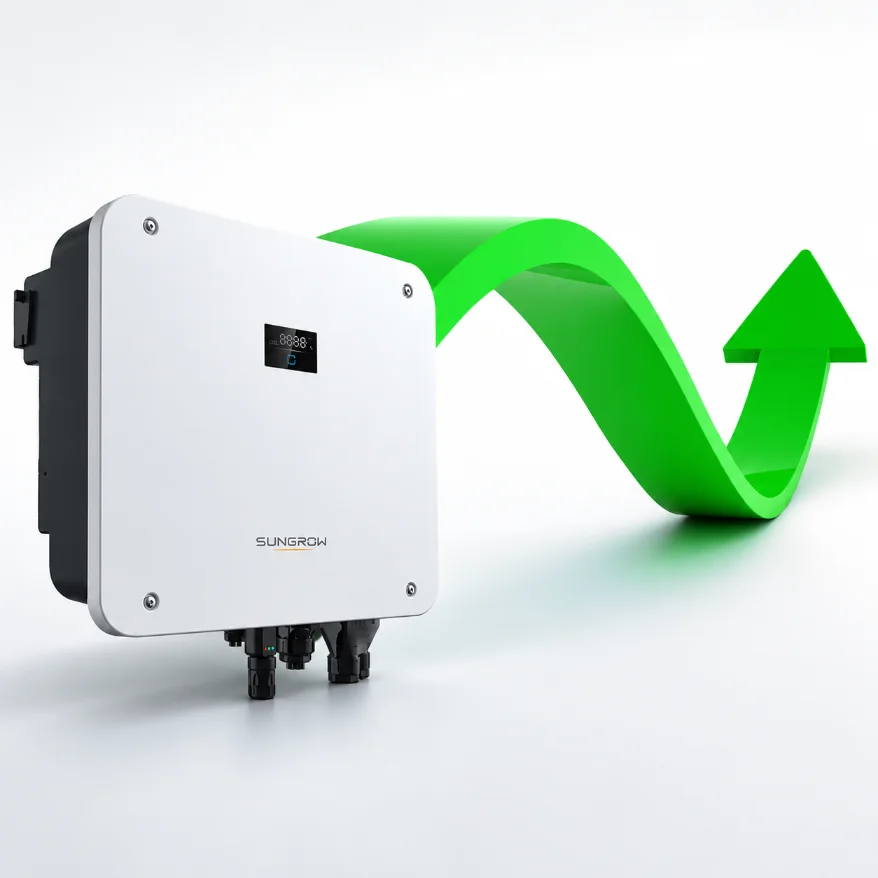
Runs solar only. The right pick for a solar-only home where budget matters most.
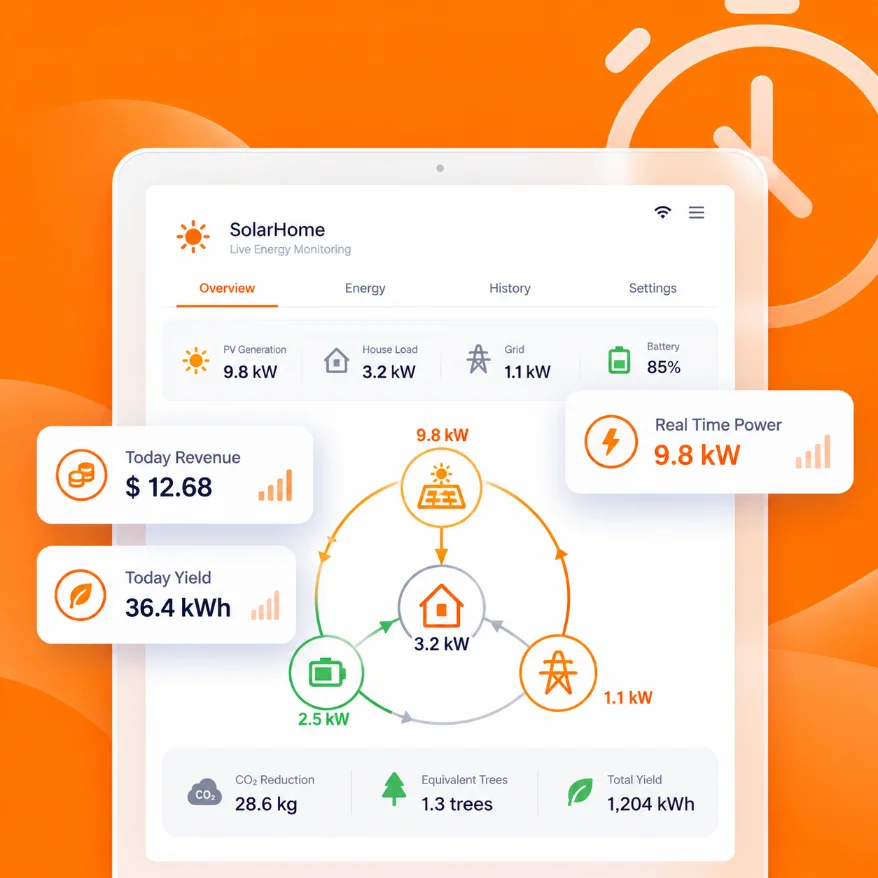
Runs solar, a battery, and backup from one unit. The right pick if storage is in your plans.
Range
Sungrow's residential range spans four model families, from 3 kW single-phase to 25 kW three-phase, covering almost every home and small business we quote for Sungrow solar inverter installations. The SG-RS and SH-RS models suit single-phase homes, while the SG-RT and SH-RT models handle three-phase supply. Our team will match the model to your panels and your power supply.
The RS models carry dual MPPT inputs, so we can connect two panel arrays facing different directions and track each one separately. That flexibility helps with split rooflines, common across Newcastle's older homes.
Sizing
Size the Sungrow inverter to your solar array and backup needs, not the battery size. The battery gets sized separately once the inverter and panel count are locked in.
Start here
Match the inverter's kW rating to your rooftop panels and the appliances you want to run, and check whether your home has single-phase or three-phase power using your main switch or a recent electricity bill.
Yes, or maybe
SH Hybrid
Choose a Sungrow SH hybrid inverter if you have a battery or plan to add one, since it supports both storage and home backup. If a battery is even a possibility within the next five years, the SH range keeps that option open without a costly swap later.
No
SG String
Certain battery storage isn't on the cards? Go with an SG string inverter only.
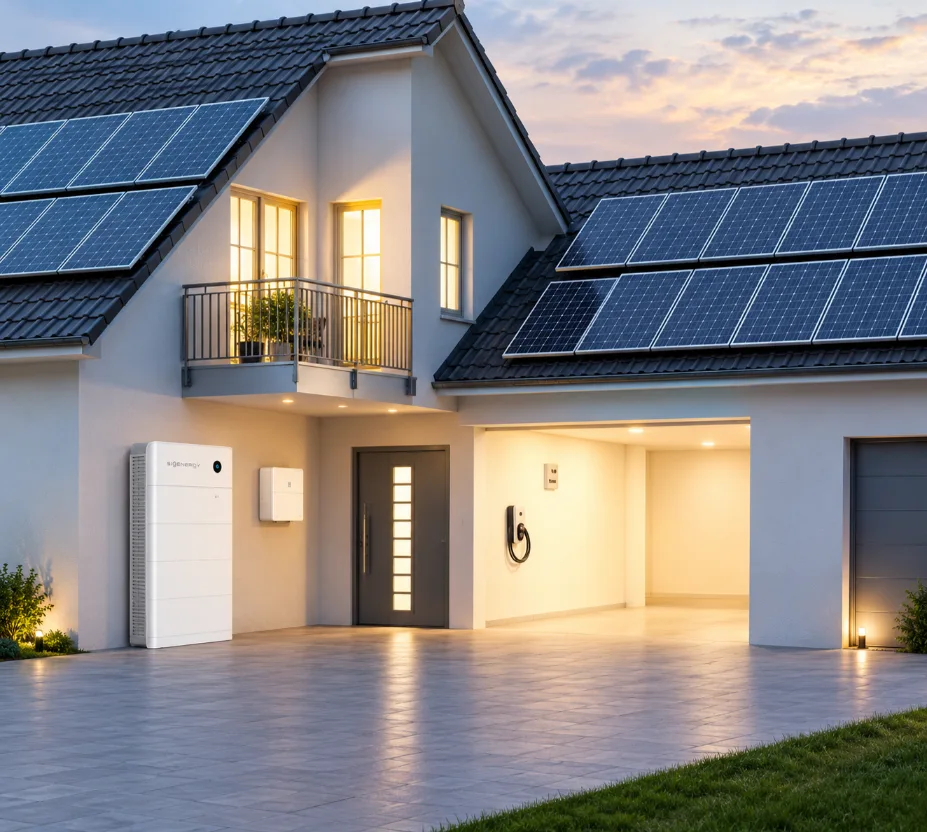
Sine Wave Solar, your local Sungrow installer in Newcastle, can recommend the right model after a proper site assessment. We can also pair it with the right Sigenergy battery and Aiko solar panels to ensure a system that functions effectively from day one.
Book a site assessment

Warranty and cost
Current residential Sungrow inverters carry a 10-year manufacturer warranty, with an optional extension available at purchase with coverage starting from your installation date. Sungrow uses a return-to-base support model, which can mean replacement times of around 1–2 weeks if a unit needs to go back to the workshop.
The typical Sungrow inverter pricing ranges from $1,800 to $5,500, depending on the model and capacity. SH hybrid inverters generally cost more than SG string inverters because they support battery storage and backup power. In most quotes, the inverter is included in the total solar system price, with the exact cost confirmed after a site assessment.
Small-scale Technology Certificates (STCs) reduce the upfront cost of your solar system when it's installed by a CEC-accredited installer. Newcastle sits in STC Zone 3, one of the stronger rebate zones in NSW. That rebate steps down over time as the scheme works toward its scheduled end in 2030, so the sooner you install, the more of it you keep.
Sine Wave Solar applies the STC discount upfront in your quote, and full details are on our solar NSW rebate page. If you're adding a battery to the system, we also explore other claims with rebates for solar batteries in NSW.

How it compares
A Sungrow inverter competes on value against Fronius and GoodWe, and it wins on price and installer availability while trading a little on warranty service speed. The right pick depends on how much you weigh upfront cost against downtime if a fault ever occurs.


