


Power bills in Newcastle have climbed more than 20% since 2022. If you're sitting on $1,800–$2,600 a year in electricity costs – which is where most local households land – it doesn't take long before you start wondering whether solar panels are actually worth it, and what they're going to cost you.
The honest answer: the solar panel cost in Newcastle is lower than most people expect, and the returns are stronger than most people realise. A standard 6.6kW solar system in Newcastle currently runs between $4,750 and $8,100 installed – and that's after the federal STC rebate has already been applied at the point of sale. For a family home, that system can save you $1,200–$2,000 every year on electricity.
This guide breaks down what you'll actually pay, what drives the price, and how to work out whether the numbers stack up for your home.
The solar system price in Newcastle, NSW, varies by system size, panel brand, and the installation package. Here's a rough breakdown based on current market pricing:
A few things are worth flagging about how much do solar panels cost in Newcastle, NSW:
The price ranges here reflect the difference between standard Tier 1 panels and premium high-efficiency options, not the difference between a good and bad system. Both ends of the range represent quality installations. What you're paying for at the top end is typically a higher-efficiency panel with a longer warranty, and often a more capable inverter.
What's not included in these figures is battery storage. That's a separate cost, and it's worth thinking through independently.
Not every quote is the same, and the variation isn't always about quality. A few factors genuinely move the price up or down.
Battery storage adds cost upfront, but it changes what your solar system actually does.
Without a battery, surplus power generated during the day gets exported to the grid – most NSW retailers are currently paying around 5–10 cents per kilowatt-hour for that exported energy. With a battery, you store that surplus and use it in the evening instead, avoiding grid rates of $0.35–$0.40 per kWh.
Adding a battery to a Newcastle solar installation costs $4,750–$16,150, depending on capacity, with premium options like the Tesla Powerwall 3 at the upper end. A quality 10–13kWh battery covers the average household's evening electricity use and is the right size for most Newcastle family homes.
The federal Cheaper Home Batteries Program, introduced in 2025, takes approximately 30% off the cost of an eligible home battery – roughly $1,500–$3,000 off a 10–13kWh system. That's a meaningful reduction, and it can be stacked with the STC rebate on your panels. Our solar NSW rebate page has the full details on eligibility and how to combine the two.
If you're weighing up which battery makes the most sense for your setup, our Solar Batteries Rebate Explained guide covers the main options available to Newcastle homeowners in 2026.
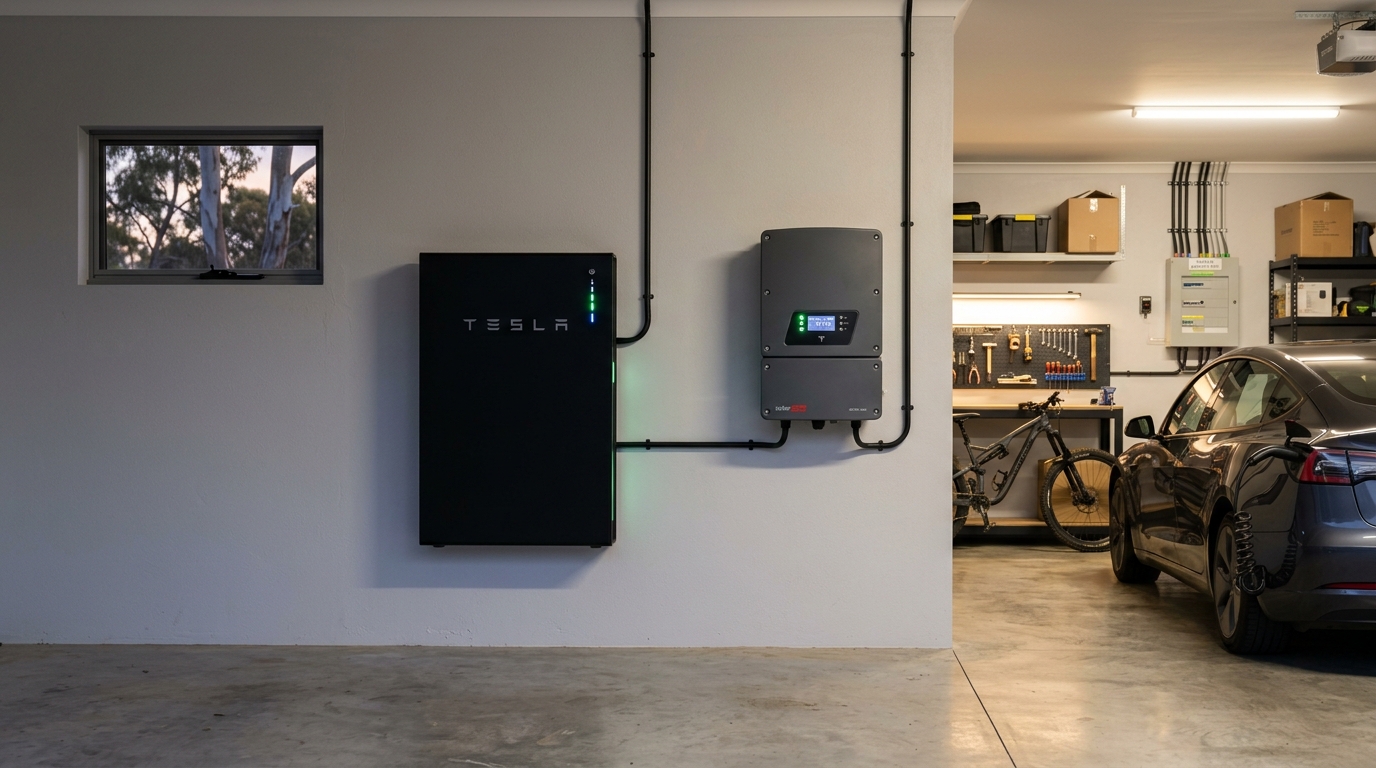
This is where Newcastle's geography works in your favour. Newcastle is in STC Zone 3 with 4.7 peak sun hours per day, which means panels generate meaningful output across all four seasons. That consistency matters for payback calculations.
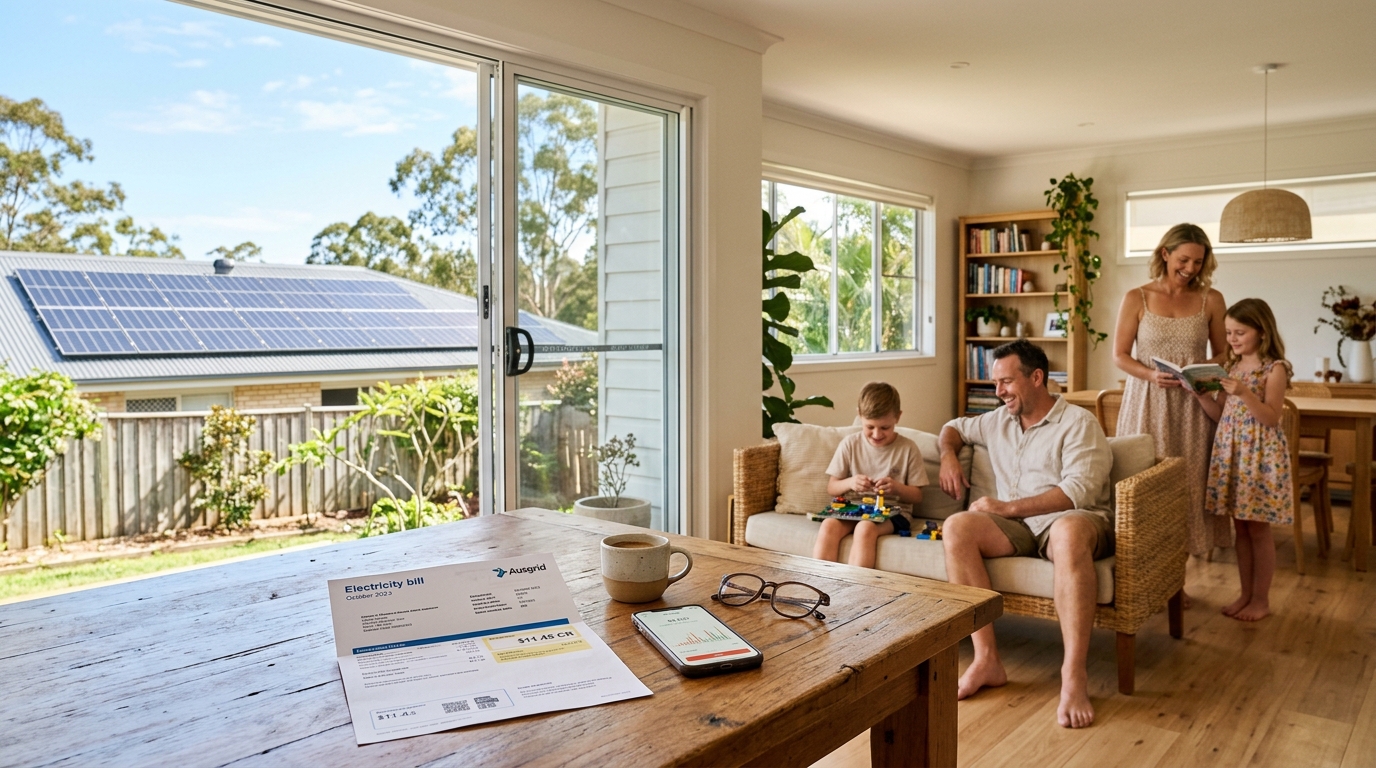
Here's what the numbers look like in practice. A 6.6kW system generating around 28kWh per day, with a household self-consuming roughly 35–40% of that output, saves most Newcastle families $1,200–$2,000 per year. At an installed cost of $5,200–$7,500, that's a payback period of 3–5 years. After that, the savings are yours for the remaining 20-plus years of the system's life.
Over a 25-year lifespan, a well-installed system produces solar electricity at around 4 cents per kWh, compared to current NSW grid rates of around 36–40 cents per kWh. The gap between what solar costs you to produce and what the grid charges you to buy is the core of why the investment works.
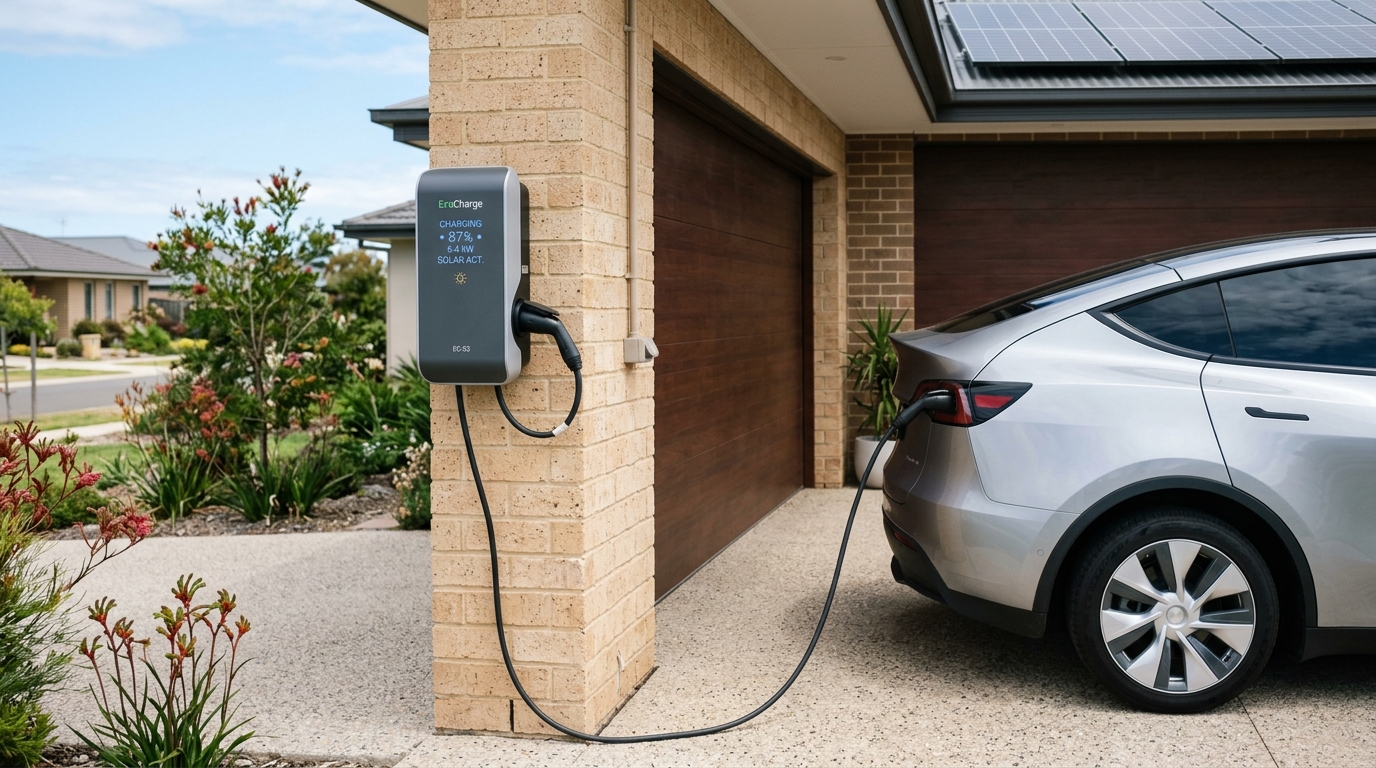
Add a battery, and the savings increase further – particularly if you're on a time-of-use tariff where evening grid rates are significantly higher than daytime rates. Add an EV, and your fuel costs start to disappear too. Our home EV charging with solar guide walks through how the two interact and what system size you'd need to cover both.
The federal STC rebate is the main one, and it's automatically applied at point of sale – you don't need to claim it separately. For a 6.6kW system in Newcastle, it currently reduces your upfront cost by approximately $2,000–$3,000.
Two additional programs currently stack on top of that:
One thing worth understanding about the STC rebate: its value decreases at the start of each calendar year until 2030. This means the rebate available right now is worth more than it will be in January 2027, and it's worth factoring into your timing.
Full details on stacking all three rebates are on our solar battery NSW rebate page. If upfront cost is still the sticking point, our solar finance solutions page covers $0 upfront options for both homes and businesses.
The most common question we hear after "how much does it cost?" is "what size do I need?" And the answer depends on your usage, your roof, and where your consumption is heading – not just where it is today.
6.6kW suits most Newcastle households: 2–4 people, standard appliances, no pool or EV. It's the most commonly installed size for good reason and generates enough to cover typical daytime loads with surplus to spare.
10kW makes sense once you add ducted air conditioning, a pool, or an electric vehicle to the picture. The additional generation capacity covers those higher loads without leaving you drawing heavily from the grid.
13kW is worth considering if you're planning to add an EV in the next few years, or if you want to maximise battery charging and minimise grid dependence over the long term. Installing a larger system now is generally more economical than upgrading later.
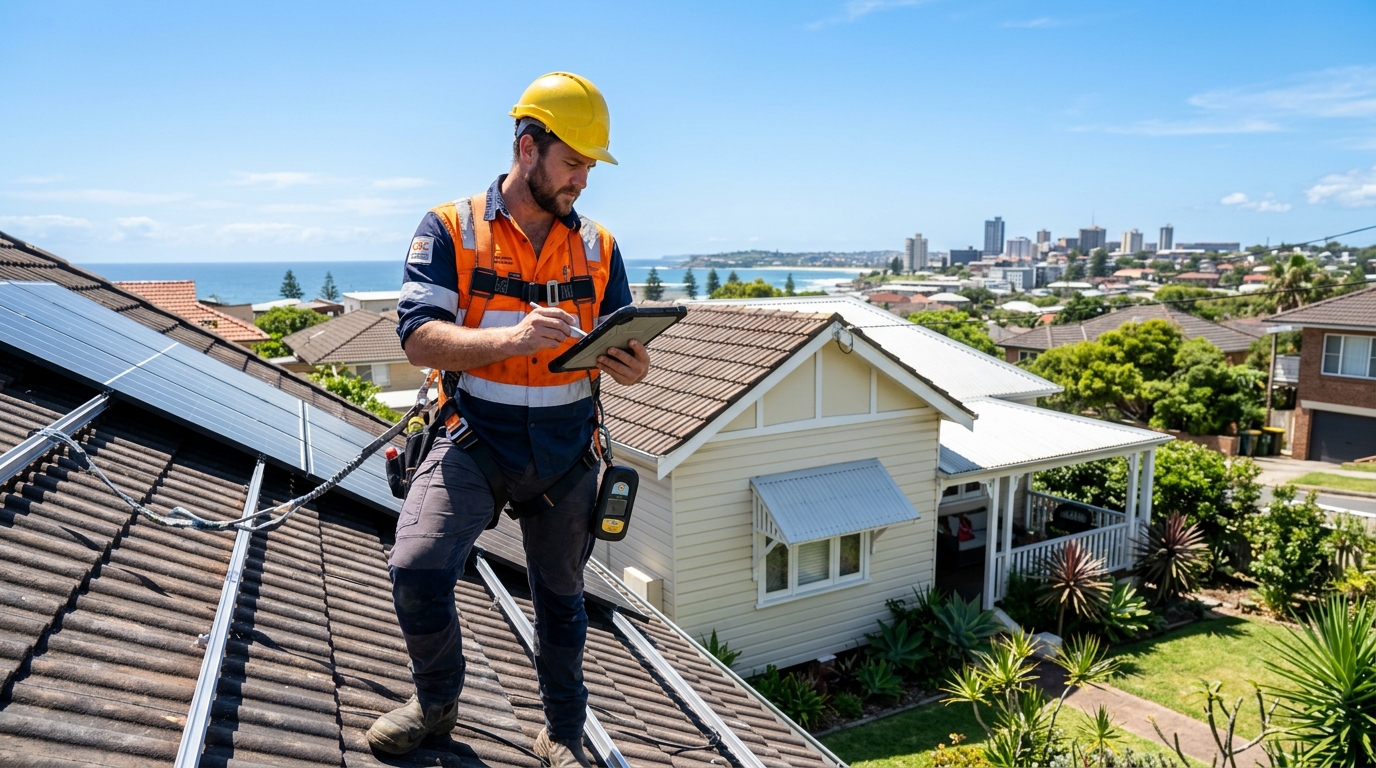
One thing worth noting: size your system for where your consumption is heading, not just where it is today. If an EV is on the cards in the next few years, factor that in now. Our residential solar panels page covers the household profiles we see most often in Newcastle, and our solar installation process for homes explains how we arrive at a system recommendation from a site assessment.
For business solar power in Newcastle, the fundamentals are similar; it’s the sizing logic that differs. Commercial systems are designed around load profiles and peak demand periods rather than household averages.
The STC rebate applies to commercial systems too, though the structure scales differently at larger sizes. Commercial installations frequently qualify for accelerated depreciation under the Australian tax system, which is worth discussing with your accountant before you finalise a budget. Battery storage often makes stronger commercial sense than it does residentially, particularly for businesses that can reduce demand charges by drawing stored energy during peak pricing windows.
A quality 6.6kW solar installation in Newcastle currently costs $5,200–$7,500 after rebates. It'll pay itself off in 3–5 years and then save you money for the next 25. Add a battery and your evenings come off the grid. Add an EV charger, and your fuel costs drop close to zero.
The question isn't really whether solar stacks up in Newcastle – the sun hours and the electricity prices make that straightforward. The question is what system size suits your home, which panels are worth the money, and which installer will be there when you need them.
Understanding the different types of solar panels is a good place to start if you're still working through the options.


-1.png)